Explore Traditional Pastries at a Cuban Bakery Aurora CO
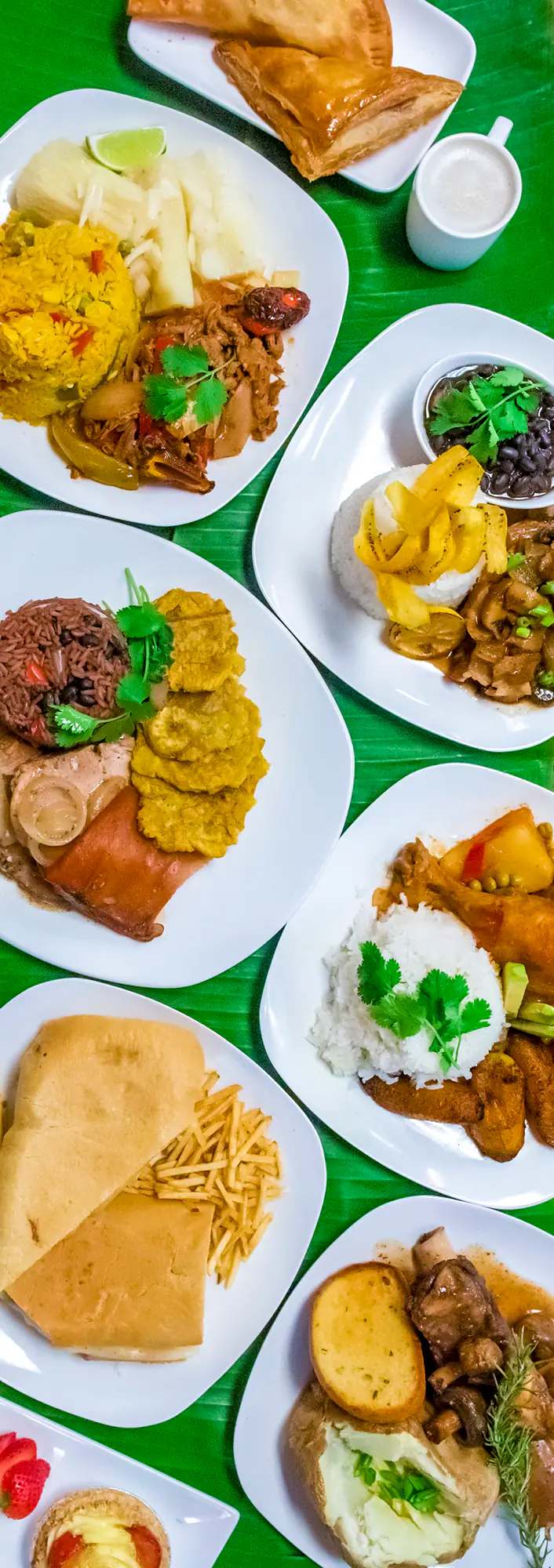
There is a particular kind of anticipation that builds when you walk into a good bakery early in the day. The glass case is still full, the air carries warmth from the ovens, and every tray promises a different texture. At a Cuban bakery, that experience becomes even more vivid. Butter, guava, caramelized sugar, cream cheese, espresso, and flaky pastry all compete for your attention at once. If you are looking for a Cuban bakery Aurora CO residents return to for both nostalgia and discovery, the pastries are usually the best place to begin.
Cuban baking holds together several culinary threads at the same time. It reflects Spanish technique, Caribbean ingredients, local adaptations, and generations of practical bakery craft. The result is not delicate in a fussy way. It is bold, generous, and made to be enjoyed with coffee, with conversation, or on the way to work. Traditional Cuban pastries are rarely about restraint. They are about balance: sweetness with tang, richness with crispness, and comfort with a little ceremony.
For anyone new to this style of baking, the range can be surprising. Some pastries look familiar at first glance, yet taste completely different from what you might expect from a French or American bakery. Others are unmistakably Cuban from the start, especially once guava enters the picture. If you have lived in South Florida, spent time in Havana, or grown up in a Cuban household, these pastries can feel like memory made visible. If you have not, they still make an immediate case for themselves.
What makes Cuban pastries distinct
A great Cuban pastry case does not rely on visual novelty alone. The craft is in the dough, the fillings, and the finish. Many of the classics begin with puff pastry or laminated dough, but the eating experience tends to be less austere than in a formal patisserie. You will often find a slightly sturdier bite, a more generous filling, and a sweeter glaze. That is not a flaw. It is part of the identity.
Guava is one of the clearest signatures. It brings floral sweetness, a bit of tang, and a deep ruby color that stands out against pale pastry. Cream cheese often appears beside it, adding salt and richness. Coconut, custard, and sweetened cheese fillings also show up regularly. In the best versions, sugar never becomes one-note. The fruit keeps things lively, the dough stays crisp rather than soggy, and every pastry tastes like it was designed to be eaten with strong coffee.
Another difference is the role these pastries play in daily life. In many bakeries, the pastry counter is not reserved for holidays or special occasions. It is woven into ordinary routines. People stop in before work, bring boxes to family gatherings, or pick up a few pieces in the afternoon with café Cubano. That everyday role shapes the baking. The pastries need to be satisfying, portable, and consistent. Beauty matters, but so does practicality.
The pastry case you should not rush
If you are standing in front of the display at a Cuban bakery Aurora CO visitors may be tempted to order quickly, especially when there is a line. Resist that urge for a moment. A few extra seconds looking closely can tell you a lot.
The best pastries look lively, not tired. Puff pastry should show clear layers and a bit of lift. Glazes should catch the light without pooling into sticky excess. Fruit fillings should sit where they belong, not leak into the tray. Cheese fillings should look creamy rather than chalky. Even before the first bite, a bakery tells you whether it respects the details.
Temperature matters too. Not every pastry needs to be warm, but none should seem neglected. Guava pastries taste best when the shell still has some crispness. Custard-filled pieces need careful handling because they can lose their contrast if they sit too long. If you are arriving later in the afternoon, ask what was baked most recently. A good bakery will answer plainly and steer you toward what is at its best.
There is also a practical point that regulars understand. Cuban pastries often eat differently depending on when you have them. One at 8 a.m. With coffee can feel bright and balanced. The same pastry after a heavy lunch may feel much sweeter. Timing shapes the experience more than people think.
Pastelitos, the pastry most people remember first
If one item defines the Cuban pastry conversation for newcomers, it is the pastelito. The name is broad, but in most bakery cases it refers to small pastries made with flaky dough and sweet or savory fillings. The sweet versions tend to get the most attention, and for good reason.
Pastelitos de guayaba, filled with guava paste or guava marmalade, are often the first recommendation. They are straightforward in concept, yet hard to do well. Too much filling and the pastry collapses into stickiness. Too little and you lose the point. The right version gives you audible flake on the first bite, then a dense ribbon of guava that feels rich without becoming gummy.
Pastelitos de guayaba y queso are often even better for first-time visitors because they show how Cuban baking handles contrast. The cream cheese softens the fruit’s intensity and adds a slight tang. A good bakery will distribute both fillings so one does not dominate. When that balance lands, you understand why people buy them by the box rather than by the piece.
Coconut pastelitos deserve more attention than they usually get. They are less flashy than guava, but a well-made coconut filling can be deeply satisfying, especially if it preserves a little texture rather than turning smooth and overly sweet. Custard-filled pastelitos also have loyal followers, particularly among people who prefer a softer, more mellow finish.
One thing experienced customers know is that shape can signal filling, but every bakery has its own patterns. Long rectangles, braids, rounds, or folded triangles may all mean something different depending on the shop. If it is your first visit, ask. That is better than guessing and ending up with coconut when your heart was set on guava and cheese.
The guava and cheese pairing that defines a bakery
Few combinations express Cuban bakery culture more clearly than guava and cheese. The pairing works because it solves a classic pastry problem: how to deliver sweetness that still feels structured. Guava alone can become intense. Cheese alone can seem flat in a sweet pastry. Together, they create lift.
This pairing appears in more than one form. In some pastries, the guava is thick and jewel-like, cut from paste and baked until softened. In others, it is spread as a smoother filling. Cheese may resemble cream cheese, farmer cheese, or a sweetened soft filling, depending on the bakery’s style. The exact formula matters less than the ratio. Too much cheese mutes the fruit. Too much guava overwhelms the palate after a few bites.
There is also a textural dimension that separates average pastries from excellent ones. The shell has to be crisp enough to frame the filling. If the pastry goes limp, the contrast disappears and the sweetness feels heavier. This is why fresh turnover is so important. A Cuban bakery that turns product steadily throughout the day usually delivers a much better guava and cheese pastry than one that loads the case once and leaves everything to sit.
For people who have never tried guava in pastry, the flavor can be hard to imagine from description alone. It is not exactly like strawberry, quince, or apricot, though it shares something with each. It has tropical perfume, a slight musky depth, and enough acidity to keep sugar from becoming dull. In a city like Aurora, where diners often have access to many Latin American food traditions, guava pastries offer a familiar entry point into something still distinct.
Beyond pastelitos, other bakery staples worth your attention
A strong Cuban bakery usually offers more than the headline pastries. Depending on the shop, you may see croquetas near the pastry counter, sweet rolls, cakes for celebrations, and cookies designed for coffee service. Yet even among the sweeter baked goods, there are meaningful differences worth noticing.
Some bakeries make ensaimada-style pastries or rolls with a soft, enriched crumb and sugar on top. These are less about crackle and more about tenderness. Others produce cakes with guava filling, pineapple notes, or whipped icings that feel old-school in the best sense of the phrase. If you grew up on highly sweetened supermarket cakes, a Cuban bakery cake can be a revelation because the sweetness often sits alongside fruit acidity or airy sponge.
You may also see pastries that blur lines between Cuban and broader Latin bakery traditions. That is normal, especially in communities where customer tastes overlap and bakery owners respond to local demand. Tradition in real bakeries is rarely rigid. It adapts, but the core flavors remain legible.
The practical question is whether the bakery handles both variety and consistency. A broad pastry case is impressive only if the quality holds across categories. In my experience, a bakery that nails its guava and cheese turnover, keeps its pastry layers crisp, and serves coffee with confidence usually takes the rest of the menu seriously too.
Coffee is not a side note
To understand Cuban pastries fully, you need to think about coffee at the same time. The sweetness level that might seem bold on its own suddenly makes perfect sense when paired with a small, potent cup of Cuban coffee. The bitterness and concentrated roast pull the pastry into focus.
Café Cubano is typically sweetened and intense, served in small portions but carrying plenty of flavor. A cortadito, with milk, softens the edges while still giving enough backbone for rich pastries. Café con leche is gentler and works especially well in the morning with a larger pastry or toasted bread.
This pairing is not just pleasant, it is functional. The coffee resets your palate between bites. It trims richness and makes subtle differences in fillings easier to notice. If you have ever eaten a pastry that seemed too sweet until the second sip of coffee, you already understand the relationship.
For first-timers ordering at a Cuban bakery Aurora CO locals recommend, the safest move is often simple: one guava and cheese pastelito and one coffee drink. That combination reveals a lot about the bakery’s style. If the pastry feels balanced and the coffee tastes intentional rather than obligatory, you are likely in good hands.
What to look for when choosing a bakery in Aurora
Aurora has the kind of dining landscape that rewards curiosity. It is a place where neighborhood food culture matters, and where independent shops often carry the strongest point of view. Not every bakery advertising Latin pastries will deliver a truly Cuban experience, so a little discernment helps.
Freshness is the first marker. You can usually tell within one bite whether the pastry was baked recently or whether it has spent too long in the case. The shell should fracture lightly, not bend. Fillings should taste distinct, not merged into generic sweetness. Sugar should support, not smother.
The second marker is specialization. A bakery does not need a huge menu, but it should seem committed to its core items. Shops that understand their regulars often have pastries people come back for repeatedly, not just things that look attractive in photos. Ask customers what they buy every time. Regulars rarely hesitate.
Atmosphere matters more than trendiness. In a bakery rooted in tradition, the best signal is often ordinary confidence. Staff know the products. Boxes move quickly. Coffee service has rhythm. Families order for a group without needing to study the menu. You get the sense that the bakery is part of people’s routines, not only a novelty stop.
One practical detail many people overlook is box handling. Pastries that are stacked carelessly or packed while steaming can arrive home crushed or softened. Good bakeries know how to package turnover and layered pastries so they travel well, especially in Colorado’s variable weather.
How altitude and climate can affect pastry in Colorado
Colorado is not Miami, and that matters in baking. Aurora’s altitude and dry air can change how pastries behave, both in production and after they leave the oven. Dough can dry more quickly. Fillings can thicken differently. Crisp pastries can lose their ideal texture faster if not stored carefully.
This is where the skill of the baker really shows. Anyone can follow a formula developed at sea level. Adjusting that formula to work reliably in Colorado takes experience. Humidity, proofing time, and oven behavior all demand attention. You may not see those adjustments, but you taste them in the final product. Pastry layers that still separate cleanly in a dry climate did not happen by accident.
For customers, the takeaway is simple. Buy pastries as close to the time you plan to eat them as possible. If you are taking a box home, do not https://martinphxv097.summitviewdaily.com/posts/sweet-and-savory-choices-at-cuban-bakery-aurora-co seal warm pastries so tightly that steam softens them. If you need to hold them for later, a brief refresh in the oven can restore some of the crust and flake, though filled pastries require care to avoid overheating the center.
Ordering for a group without overthinking it
Cuban pastries shine in social settings. They are easy to pass around at office breakfasts, family visits, and weekend gatherings. People can try different fillings without committing to a whole dessert, which makes a mixed box especially useful.
If you are ordering for a group, variety matters more than volume alone. Some people will want fruit-forward pastries, others something creamier or less sweet. In practice, the safest assortment includes a few guava pieces, a few guava and cheese, and one contrasting option such as coconut or custard. That spread usually disappears quickly.
A bakery with experienced staff can help here, especially if you explain the audience. An office meeting at 9 a.m. Calls for different choices than a family coffee hour in the late afternoon. The best recommendation is rarely the fanciest one. It is the pastry that holds well, tastes good at room temperature, and appeals across generations.
Why traditional pastries still matter
It is easy to talk about pastries only in terms of flavor, but that misses part of their role. Traditional bakery items carry memory, continuity, and a sense of place. In immigrant communities especially, they become edible landmarks. A guava pastry is not just a sweet snack. For some customers, it recalls grandparents, neighborhood bakeries, holiday mornings, or quick stops after church. For others, it becomes a way into a culture they may know mostly through music, coffee, or family friends.
That matters in a city like Aurora, where food often serves as one of the clearest forms of cultural exchange. A Cuban bakery can feed homesickness, curiosity, celebration, and ordinary hunger all at once. It can be a place where Spanish and English move back and forth naturally over the counter. It can serve longtime Cuban customers who judge every crust against memory, while also welcoming someone trying guava for the first time.
The pastries themselves embody that continuity. They are not designed around novelty, though some bakeries certainly innovate. Their enduring appeal comes from repetition done well. The same dough folded carefully. The same fillings prepared consistently. The same small pleasure delivered with coffee, year after year.
A few smart ways to enjoy your first visit
If you are planning a stop at a Cuban bakery Aurora CO has to offer, keep the experience simple enough to notice the details. Go earlier in the day if you can. Order fewer items than your eyes tell you to, but choose with purpose. Start with one classic and one point of contrast.
Here are five choices that rarely disappoint on a first visit:
- A guava pastelito for the pure fruit expression.
- A guava and cheese pastry for the signature pairing.
- A coconut-filled option if you want a deeper, sweeter profile.
- A cortadito or café Cubano to understand the intended balance.
- An extra pastry to share, because these are best discussed over the box.
That small order gives you enough range to judge the bakery without turning the visit into a tasting exercise. It also helps you notice what you personally prefer. Some people become immediate guava loyalists. Others discover they like creamier fillings or softer pastries better. There is no correct answer beyond freshness and craft.
The pleasure is in the details
Traditional pastries from a Cuban bakery reward attention. The shape of the fold, the shine of the glaze, the point where fruit meets cheese, the snap of the crust, the sip of strong coffee after the first bite, these details are where the experience lives. They are also where you can tell whether a bakery is simply offering pastries or truly preserving a tradition.
In Aurora, where good food often comes with a strong neighborhood story, that distinction matters. A real Cuban bakery does more than stock familiar names. It creates a daily ritual around pastry and coffee, one built on practiced hands and repeat customers. You do not need a special occasion to appreciate that. You only need a morning, an appetite, and the willingness to slow down in front of the pastry case long enough to choose well.
When you find the right Cuban bakery Aurora CO pastry lovers talk about, the classics explain themselves. The guava tastes brighter than expected. The cheese balances rather than merely sweetens. The pastry leaves flakes on the plate and a little sugar on your fingertips. By the time the coffee cup is empty, you are already thinking about what to order next time.
Cuba Bakery & Café
15028 E Mississippi Ave, Aurora, CO 80012
+1 303-752-2822
FAQ About Cuban bakery Aurora CO
What are Cuban pastries called?
Many small Cuban pastries are called pastelitos. They can have sweet or savory fillings, such as guava, cheese, guava and cheese, or seasoned meat. Cuba Bakery & Café lists guava, cheese, guava-and-cheese and beef pastries on its menu. Ask the bakery about current availability and ingredients when ordering.
What are traditional Cuban pastries?
Common Cuban bakery choices include flaky pastelitos filled with guava, cheese or meat. Cuban bakeries may also offer empanadas, breads and desserts alongside coffee. Cuba Bakery & Café lists pastelitos, several empanada fillings, pan Cubano and desserts such as tres leches and bread pudding. Selection can vary, so confirm the day's choices with the bakery.
What makes Cuban bread different?
Cuban bread is known for its light interior and a thin crust that becomes crisp when toasted or pressed. Traditional recipes often use lard, although ingredients vary by baker. It is commonly served as buttered toast or used for Cuban sandwiches. Cuba Bakery & Café lists pan Cubano and tostada on its menu; ask staff about the ingredients in their bread if you have dietary restrictions.