Favorite Dessert Pairings from a Cuban Bakery in Aurora CO
Walk into a good Cuban bakery at the right hour and you can tell what kind of day it is before anyone says a word. Early morning carries the smell of strong coffee, warm butter, and fresh bread. Midafternoon leans sweeter, with guava, caramelized sugar, and the faint toastiness of pastries that have just come out of the oven. By early evening, people stop in for a box to take home, usually with a clear plan at first, then a few last-minute additions once they see the display case.
That rhythm matters when you are talking about dessert pairings. Cuban sweets are generous, but they are rarely one-note. Even the simplest pastry has a texture, a filling, and a sweetness level that changes depending on what you serve alongside it. A flaky pastelito with guava can feel bright and almost fruity with café Cubano, then richer and more dessert-like with a cortadito. A slice of tres leches cake can read light and clean after dinner if paired with espresso, or lush and celebratory with hot chocolate.
People often think of pairing in terms of wine or formal plated desserts. At a Cuban bakery, the logic is more everyday and more practical. You think about balance. You think about timing. You think about what holds up in a box during a car ride through Aurora, and what should be eaten while it is still slightly warm. If you are visiting a Cuban bakery Aurora CO locals love, those details shape the whole experience.
What makes Cuban dessert pairings different
Cuban bakery desserts tend to live at the intersection of European pastry tradition, tropical flavor, and strong coffee culture. That combination creates a wider range of pairings than many people expect. The pastries can be buttery and crisp, the fillings fruity or creamy, and the cakes either feather-light or dense with syrup. Coffee is not just an add-on. It is part of the structure of the meal.
A classic example is the tension between sweetness and roast. Cuban coffee is often short, concentrated, and sweetened. That sweetness can either echo a pastry or sharpen it, depending on the dessert. Pair a syrupy cake with a sweet coffee and you risk flattening the palate. Pair the same cake with a less sweet espresso, and the dairy notes start to come forward while the sugar feels more restrained. The best combinations are rarely the sweetest possible combinations. They are the ones where one element makes the other clearer.
Climate and habit also play a part. In a place like Aurora, where dry air and colder months shape cravings, warm pairings have a different appeal than they do in a humid tropical setting. A crisp puff pastry with a hot cortadito feels especially satisfying on a cold morning. During warmer months, fruit-forward pastries and chilled milk-based desserts can feel more balanced. A bakery with a strong Cuban tradition adapts beautifully to both.
Pastelitos de guayaba and café Cubano
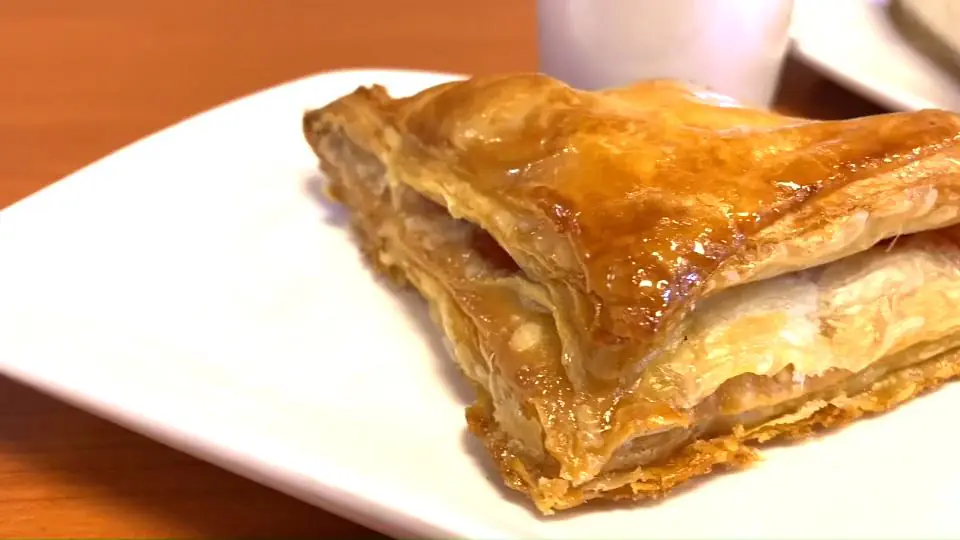
If there is one pairing that captures the spirit of a Cuban bakery, it is guava pastry with strong coffee. Pastelitos de guayaba work because guava itself has range. It is sweet, yes, but it also has a faint tang and floral depth that keeps it from feeling sticky or one-dimensional. In a flaky pastry shell, that filling becomes even more versatile.
With café Cubano, the contrast is immediate. The pastry breaks into delicate shards, the guava lands first, then the coffee follows with bitterness, sugar, and roasted body. The combination is familiar for a reason. Each side tightens the other. The pastry softens the coffee’s intensity, and the coffee reins in the fruit.
If the bakery offers guava and cheese pastelitos, that is where things get especially interesting. The cream cheese or soft white cheese brings salt and lactic tang, which broadens the pairing. A straight shot of café Cubano still works, but a cortadito can be even better because the milk rounds out the edge and picks up the dairy notes in the filling. That extra softness turns the whole experience from bright to velvety.
Timing matters here. Guava pastries are best when the layers still have some lift. Once they sit too long in a closed box, the bottom can soften. They are still good, but you lose the crisp contrast that makes the pairing memorable. If you are ordering from a Cuban bakery Aurora CO residents stop into on the way to work, this is the pastry to eat first, with coffee in hand and as little delay as possible.
Cheese pastries and cortadito
Cheese pastries often get overshadowed by guava, but they are one of the most reliable choices in a Cuban bakery case. They appeal to people who want dessert without too much sugar, and they pair remarkably well with milk-based coffee drinks.
A good cheese pastry should not taste heavy. The filling should be smooth and lightly tangy, and the pastry shell should stay flaky rather than greasy. When those elements are in place, a cortadito becomes the natural partner. The milk tempers the roast and gives the pairing a creamy center without making it feel dense.
There is also a practical advantage. Cheese pastries hold their balance across the day. In the morning, they feel breakfast-adjacent. In the afternoon, they read as a proper dessert. Late in the day, when your palate is a little tired, they can feel calmer and more precise than fruit pastries or frosted cakes.
For people who claim they do not like sweet desserts, this is often the entry point. The sweetness sits lower, the dairy notes feel familiar, and the coffee keeps everything moving. It is the kind of pairing that disappears faster than expected because nothing about it feels excessive.
Tres leches cake with espresso or black coffee
Tres leches can be a trap in the wrong hands. When it is over-soaked, it turns heavy and muddy. When it is too dry, it loses the quality that makes it distinctive in the first place. The best version is moist all the way through but still structured enough to cut cleanly with a fork. It should taste of milk, vanilla, and cake, not just sugar.
That kind of tres leches pairs best with a strong, relatively unsentimental coffee. Espresso is ideal. Black coffee also works if it has enough body. The reason is simple. The cake already contains plenty of softness. What it needs beside it is something that can create contrast.
There is a common instinct to pair creamy desserts with sweeter drinks, but with tres leches that can turn the whole plate vague. A less sweet coffee draws attention to the cake’s sponge, the dairy richness, and any cinnamon or vanilla notes in the topping. It also keeps the finish cleaner. After a heavier meal, that matters.
If the bakery makes individual slices for takeaway, tres leches is one of the best options for sharing because it tends to hold its quality better than more fragile pastries. It also suits mixed groups. Children and adults both recognize it. Coffee drinkers get the contrast they want. Non-coffee drinkers can pair it with cold milk or even a lightly sweetened iced coffee and still get a balanced experience.
Flan with cafecito after dinner
Flan is deceptively simple. Eggs, milk, sugar, caramel. Nothing hidden, nowhere to hide. A good flan has a clean wobble, a silky interior, and a caramel layer that tastes just this side of bitter. If the caramel is too mild, the dessert feels flat. If the custard is too dense, it loses elegance.
After dinner, few pairings are more dependable than flan and cafecito. The coffee should be small, hot, and strong. That scale is part of the appeal. Flan is cool, smooth, and slow. Cafecito is concentrated and direct. Together they create a neat finish to the meal without requiring a large portion of either.
This is one place where temperature really improves the pairing. Flan straight from the refrigerator can be a little muted. Give it a few minutes at room temperature and the custard opens up, especially the vanilla and caramel notes. Then the coffee can do its best work.
There is a reason this combination feels timeless. It carries enough sweetness to satisfy dessert cravings, but it still leaves the mouth awake. In a family setting, it also plays well across generations. Older relatives often gravitate to it because it feels familiar and finished. Younger diners tend to appreciate its simplicity once they realize how much depth there is in something so spare.
Milhojas and the case for textural contrast
If your local Cuban bakery makes milhojas, sometimes called Napoleon pastry, it deserves more attention than it usually gets. This is a pastry where texture does most of the talking. The layers crackle. The filling softens the bite just enough. Powdered sugar catches first, then dissolves. It is not subtle, but it is refined in its own way.
The ideal pairing is coffee again, though not always the strongest coffee on the menu. A regular brewed coffee or an Americano can be the better choice because it gives the pastry room. Too intense a drink can bulldoze the layering. With a milder coffee, you notice the alternating crisp and cream more clearly.
Milhojas is also one of the better choices for people who care about pastry technique. Fruit fillings and frostings can distract from construction. Layered pastries expose everything. If the sheet pastry is underbaked, you know. If the filling is too loose, you know. When it is done well, the pairing feels less like a sugary treat and more like a complete pastry experience.
Because it is more fragile than it looks, this is another dessert best eaten soon after purchase. A little softening is normal. Too much, and you lose the whole point.
Coconut desserts with something restrained
Coconut shows up in many Latin pastry traditions, and in a Cuban bakery setting it often appears in custards, cookies, cakes, or topped pastries. Coconut can turn heavy fast if paired carelessly, especially if the dessert also includes condensed milk or syrup. The answer is restraint.
A plain coffee, an unsweetened latte, or even a modest black tea can work better than a sugary drink here. Coconut brings aroma and fat. It does not need extra sweetness to make its point. In fact, a restrained beverage helps separate the tropical perfume from the sugar, which makes the dessert taste more nuanced.
This is also where seasonality enters https://felixokzu866.trexgame.net/satisfy-your-cravings-at-a-cuban-bakery-in-aurora-co the picture. In warmer weather, coconut desserts feel especially appealing because their aroma suggests freshness even when the dessert itself is rich. Pairing them with iced coffee can be excellent, provided the coffee is not overloaded with flavored syrup. The goal is to keep the finish clean.
Churros, if the bakery offers them, need more than sugar
Not every Cuban bakery specializes in churros, but many offer them or a close relative. When fresh, they are at their best within minutes. Crisp shell, airy center, light sugar coating. The obvious pairing is hot chocolate, and there is no reason to fight that instinct. It is classic because it works.
Still, quality matters. Thick drinking chocolate can be luxurious, but if both the churro and chocolate run too sweet, the pairing loses dimension. The best version keeps a little bitterness in the cocoa and a little salt in the dough. That balance turns a fairground snack into something more grown-up.
For those who find chocolate too much, a cortado or café con leche can be surprisingly effective. The milk picks up the fried dough notes, and the coffee cuts through the sugar. It becomes less of a dessert bomb and more of a composed afternoon break.
Pairing by occasion, not just by flavor
One mistake people make is choosing desserts as if every bakery visit has the same purpose. It does not. Morning pastry, office box, holiday table, quick after-school treat, and after-dinner dessert all ask for different pairings.
For a weekday morning, flaky pastries and coffee make the most sense because they are easy to eat, relatively portable, and lively enough to wake up the palate. For an office setting, cakes and custards tend to travel better, though sliced pastries often disappear first because they are easy to grab. For a dinner party, flan and tres leches are dependable because they plate well and feel complete without a lot of extra work.
Aurora’s pace plays into this more than people realize. Many bakery visits happen between errands, before school pickup, or on the way home. In that context, the best pairing is often the one that survives real life. A delicate layered pastry may be technically excellent, but if it is going to spend thirty minutes in a car, a sturdier slice of cake might be the smarter choice. Experience teaches that the best dessert is not always the most elaborate one. It is the one that still tastes like itself by the time you eat it.
What to order when you are feeding a mixed group
If you are bringing dessert home or to a gathering, variety matters more than perfection. The point is not to create a tasting menu. It is to cover enough range that everyone finds a favorite.
A practical mix usually includes one fruit pastry, one cheese-based pastry, one milk-based dessert, and one crowd-pleasing cake. In a Cuban bakery, that often means guava pastries, cheese pastries, flan, and tres leches. That spread gives you crisp, creamy, fruity, and soft textures without repeating the same sweetness level.
Here is the one place where a short checklist can save a little guesswork:
- Choose at least one pastry best eaten right away, such as guava or cheese pastelitos.
- Add one dessert that holds well for later, such as flan or tres leches.
- Match stronger sweets with black coffee, and milder pastries with milk-based coffee.
- Consider temperature, especially for custards and cakes.
- Order a little less than you think if the box includes rich items, Cuban desserts can be more filling than they look.
That last point catches people off guard. A box of pastries may seem light, but butter, sugar, and filling add up quickly. Four or five items can satisfy more people than expected if you cut portions modestly.
Why coffee still anchors the best pairings
For all the possible combinations, coffee remains the center of gravity in a Cuban bakery. It is cultural, yes, but it is also culinary. Coffee brings bitterness, aroma, heat, and structure. It interrupts sugar at exactly the right moments. It wakes up butter. It sharpens fruit. It cleans up milk-heavy desserts. Few beverages can do all that at once.
There is a reason regulars often do not overthink the order. They know the rhythm. A pastry with café Cubano in the morning. A cortadito with a cheese pastry in the afternoon. Flan and cafecito at the end of a meal. Those pairings lasted because they survived repetition. They work on ordinary days, not just special occasions.
For newcomers exploring a Cuban bakery Aurora CO has to offer, that is the smartest starting point. Order one pastry that leans fruity, one that leans creamy, and pair both with coffee prepared two different ways. You will learn quickly how much the drink changes the dessert. The pastry itself stays the same, but the impression shifts from bright to rich, from delicate to indulgent, from snack to dessert.
A bakery experience that rewards attention
The pleasure of a Cuban bakery is not just sweetness. It is recognition. Familiar ingredients behave in ways that feel both comforting and distinctive. Guava becomes elegant in flaky layers. Condensed milk becomes airy in cake. Caramel becomes subtle in flan. Coffee stops being a side note and starts acting like a tool.
That is why dessert pairings here feel so satisfying. They are rooted in daily habit, not performance. You do not need a special vocabulary to enjoy them. You just need to notice what each item asks for. Some need bitterness. Some need creaminess. Some need to be eaten immediately, while the pastry still crackles. Others improve when they sit and settle.
Once you start paying attention, the display case stops looking like a random collection of sweets and starts reading like a series of conversations between pastry, filling, sugar, and coffee. The best pairings are the ones where no single part dominates for too long. You taste the pastry, then the filling, then the coffee, then back again. That back-and-forth is what keeps you reaching for another bite, then another sip.
A well-run Cuban bakery gives you that rhythm almost effortlessly. It hands you something warm, something fragrant, and something strong to drink, then lets the pairing do the rest.
Cuba Bakery & Café
15028 E Mississippi Ave, Aurora, CO 80012
+1 303-752-2822
FAQ About Cuban bakery Aurora CO
What are Cuban pastries called?
Many small Cuban pastries are called pastelitos. They can have sweet or savory fillings, such as guava, cheese, guava and cheese, or seasoned meat. Cuba Bakery & Café lists guava, cheese, guava-and-cheese and beef pastries on its menu. Ask the bakery about current availability and ingredients when ordering.
What are traditional Cuban pastries?
Common Cuban bakery choices include flaky pastelitos filled with guava, cheese or meat. Cuban bakeries may also offer empanadas, breads and desserts alongside coffee. Cuba Bakery & Café lists pastelitos, several empanada fillings, pan Cubano and desserts such as tres leches and bread pudding. Selection can vary, so confirm the day's choices with the bakery.
What makes Cuban bread different?
Cuban bread is known for its light interior and a thin crust that becomes crisp when toasted or pressed. Traditional recipes often use lard, although ingredients vary by baker. It is commonly served as buttered toast or used for Cuban sandwiches. Cuba Bakery & Café lists pan Cubano and tostada on its menu; ask staff about the ingredients in their bread if you have dietary restrictions.